

Ever wondered why some websites pop up first on Google while others are buried on page 10? That’s SEO magic at work – and guess what? It’s not as complicated as you think.
Let me break this down like I’m explaining it to a friend over coffee.
What Exactly is Search Engine Optimization (SEO)?
Think of Google as a massive library with billions of books. Now, imagine you’re the librarian trying to find the perfect book for someone who just asked a question.
That’s what SEO does for your website.
SEO (Search Engine Optimization) is basically the art of making your website so attractive and useful that Google wants to show it to people. It’s like making your website raise its hand and say, “Hey! I’ve got exactly what this person is looking for!”
Here’s the simple truth: SEO helps your website appear higher in search results when people type questions into Google. Higher ranking = more visitors = more customers. Simple as that.
Why Should You Care About SEO? (Spoiler: It’s Kind of a Big Deal)
Let me hit you with some real talk:
75% of people never scroll past the first page of Google results. Think about it – when’s the last time you went to page 2?
If your website isn’t showing up on that first page, you’re basically invisible. And here’s the kicker – SEO is FREE traffic. Unlike paid ads that stop the moment you stop paying, good SEO keeps bringing people to your site 24/7.
Whether you’re selling homemade candles, running a blog, or offering services, SEO is the difference between crickets and cash registers ringing.
How Does SEO Actually Work? (No Tech Jargon, I Promise)
Okay, picture this: Google has little robot helpers called “crawlers” that visit websites all day, every day. These crawlers are like super-curious tourists taking notes about everything they see.
Here’s what they’re looking for:
Relevant content – Does your page actually answer what people are searching for?
Quality signals – Is your website trustworthy? Do other websites link to you? Do people actually stick around and read your stuff?
User experience – Does your site load fast? Is it easy to use on phones? Can people actually find what they need?
Google takes all this info, runs it through its algorithm (fancy word for “ranking system”), and decides where your page should appear in search results.
Think of it like a popularity contest – except instead of being cool, you need to be helpful, fast, and trustworthy.
The Three Pillars of SEO (Your Foundation for Success)
1. On-Page SEO: Making Your Content Shine
This is everything on your actual website that you can control.
Keywords – These are the words people type into Google. If you sell running shoes, you want to use phrases like “best running shoes” or “comfortable running sneakers” naturally in your content.
Title tags – That clickable headline in search results. Make it catchy but accurate. Think of it as your first impression.
Quality content – Write stuff people actually want to read. Answer their questions. Solve their problems. Be genuinely helpful.
Images with descriptions – Google can’t “see” images like we do, so you need to describe them (called “alt text”).
Pro tip: Write for humans first, Google second. If your content sounds like a robot wrote it just to stuff in keywords, people will bounce faster than a rubber ball.
2. Off-Page SEO: Building Your Reputation
This is what happens away from your website.
Backlinks are the gold standard here. A backlink is when another website links to yours. It’s like a vote of confidence. The more quality websites linking to you, the more Google thinks, “Hmm, this site must be legit.”
But here’s the catch – quality beats quantity every time. One link from a respected website is worth way more than 100 links from sketchy sites.
How do you get backlinks?
- Create amazing content people want to share
- Guest post on other blogs
- Get mentioned in news articles or industry publications
- Build relationships with others in your field
3. Technical SEO: The Behind-the-Scenes Stuff
Don’t let “technical” scare you. This is just making sure your website works smoothly.
Site speed – If your site takes forever to load, people leave. Google notices.
Mobile-friendly design – Most people browse on phones now. If your site looks terrible on mobile, you’re toast.
Security (HTTPS) – That little padlock icon in the browser? Google likes that.
Site structure – Can Google’s crawlers easily navigate your site? Are your pages organized logically?
Think of technical SEO as maintaining your car. You might not think about it daily, but ignore it too long and everything breaks down.
Keywords: The Secret Sauce of SEO
Let’s talk about keywords without making your eyes glaze over.
Keywords are simply the words and phrases people type into search engines. That’s it.
Here’s how to find good keywords:
Put yourself in your customer’s shoes. What would they search for? If you’re a pizza place in Chicago, people might search “best deep dish pizza Chicago” or “pizza delivery near me.”
Use free tools like:
- Google’s search suggestions (start typing and see what pops up)
- “People also ask” boxes on Google
- Related searches at the bottom of search results
The sweet spot? Find keywords with decent search volume but not crazy competition. It’s easier to rank for “vegan chocolate chip cookies recipe” than just “cookies.”
But here’s the real secret: Don’t just stuff keywords everywhere like you’re playing word bingo. Use them naturally. Write like a human talking to another human.
Creating Content That Google (and Humans) Love
Here’s where most people mess up. They either write for Google and bore humans to tears, or write for humans and completely ignore SEO.
You need both.
The winning formula:
Answer real questions – What do people actually want to know? Answer that thoroughly.
Be comprehensive – Don’t just scratch the surface. Go deep. Google loves content that covers a topic completely.
Use clear headings – Break up your text. Make it scannable. People skim online – help them find what they need.
Add value – What makes YOUR content different? Personal experience? Unique insights? Better examples?
Keep it fresh – Update old content. Add new information. Google loves sites that stay current.
Write in a conversational tone – Like this article. Would you rather read a boring textbook or have a friend explain something to you?
Local SEO: Dominating Your Neighborhood
If you have a physical business or serve a specific area, local SEO is your best friend.
Google My Business – Claim your free listing. Fill out everything. Add photos. Get reviews.
Local keywords – “Coffee shop in Brooklyn” instead of just “coffee shop.”
Reviews – Ask happy customers to leave reviews. Respond to all reviews (yes, even the bad ones, politely).
Local directories – Get listed on Yelp, Yellow Pages, local chamber of commerce sites.
NAP consistency – Your Name, Address, and Phone number should be identical everywhere online.
Think about it – when you search “plumber near me,” you’re not looking for someone three states away. Google knows this and prioritizes local businesses.
Common SEO Mistakes (and How to Avoid Them)
Let me save you some pain. Here are mistakes I see all the time:
Keyword stuffing – Repeating the same keyword 50 times makes your content unreadable. Google’s smarter than that now.
Ignoring mobile users – If your site looks awful on phones, you’re losing over half your potential visitors.
Slow loading speeds – Compress those images! Use faster hosting! Every second counts.
Duplicate content – Don’t copy content from other sites or even repeat the same content across your own pages.
Ignoring analytics – If you’re not tracking what’s working, you’re flying blind.
Expecting overnight results – SEO is a marathon, not a sprint. Give it 3-6 months before expecting major results.
How Long Does SEO Take? (The Honest Truth)
I’m going to be straight with you: SEO takes time.
You’re not going to rank #1 next week. Probably not next month either.
Realistic timeline:
- 3-6 months: Start seeing some movement
- 6-12 months: Real, meaningful results
- 12+ months: Strong, sustainable rankings
But here’s the beautiful part – once you build that momentum, it keeps going. Unlike paid ads that disappear when you stop paying, SEO results compound over time.
Think of it like planting a garden. You don’t plant seeds today and eat tomatoes tomorrow. But once those plants are established? You’re eating fresh tomatoes all summer long.
Is SEO Dead? (Spoiler: Absolutely Not)
Every year someone declares “SEO is dead!”
They’re wrong.
SEO is evolving, not dying. With AI, voice search, and new technologies, the tactics change, but the core principle stays the same: Create valuable, relevant content that helps people.
Google’s goal hasn’t changed – they want to give users the best possible answers. As long as you’re focused on being helpful and trustworthy, you’ll do just fine.
Getting Started with SEO Today (Your Action Plan)
Feeling overwhelmed? Don’t be. Here’s what to do right now:
Step 1: Pick one page on your website to optimize
Step 2: Research one keyword people actually search for
Step 3: Update your content to thoroughly answer that search query
Step 4: Make sure your page loads fast and looks good on mobile
Step 5: Share it on social media or reach out for one quality backlink
That’s it. Don’t try to do everything at once.
SEO is a series of small improvements that add up over time. Start with one page, one keyword, one improvement. Then do it again. And again.
The Bottom Line
Search Engine Optimization isn’t some mysterious dark art. It’s really just about:
- Understanding what people are looking for
- Creating genuinely helpful content
- Making sure Google can find and understand your content
- Building trust and authority over time
You don’t need to be a tech wizard. You don’t need a huge budget. You just need patience, consistency, and a genuine desire to help your audience.
Start small. Stay consistent. Focus on quality. The results will come.
Now, what are you waiting for? Your first-page ranking isn’t going to create itself. Pick one thing from this guide and do it today. Your future self will thank you.
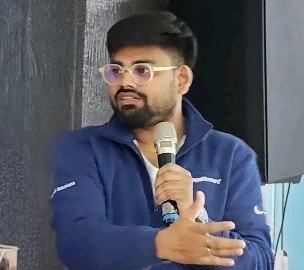
I am Abhijeet Banerjee a dedicated SEO Specialist focused on driving organic growth and improving search visibility. I use a data-driven approach to technical SEO, content strategy, and link building to deliver measurable results and increase ROI for clients and projects